Watched and Wandering: What Streaming Did to Silent Hill's Loneliest Scares
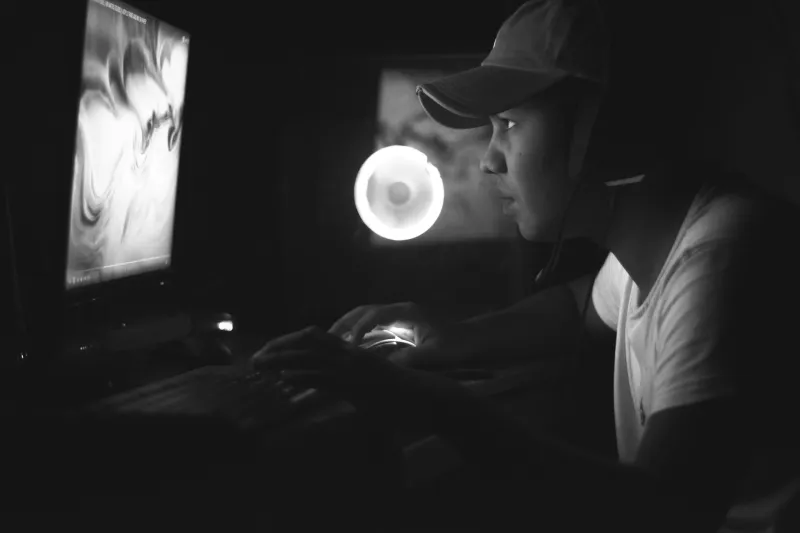
Picture the original Silent Hill experience as it was intended: a CRT television at two in the morning, headphones on, the volume just loud enough to hear every creak. No walkthrough open in another tab. No Discord server to consult. Just you and Harry Mason and a town that seems genuinely indifferent to whether you survive it.
Now picture a Twitch stream with 4,000 concurrent viewers, a chat scrolling faster than you can read it, and a content creator narrating their emotional state in real time while their audience posts spoilers from 1999.
These are not the same experience. The question worth asking — the one the horror gaming community has been dancing around for years — is whether Silent Hill can survive the second version of itself.
The Architecture of Isolation
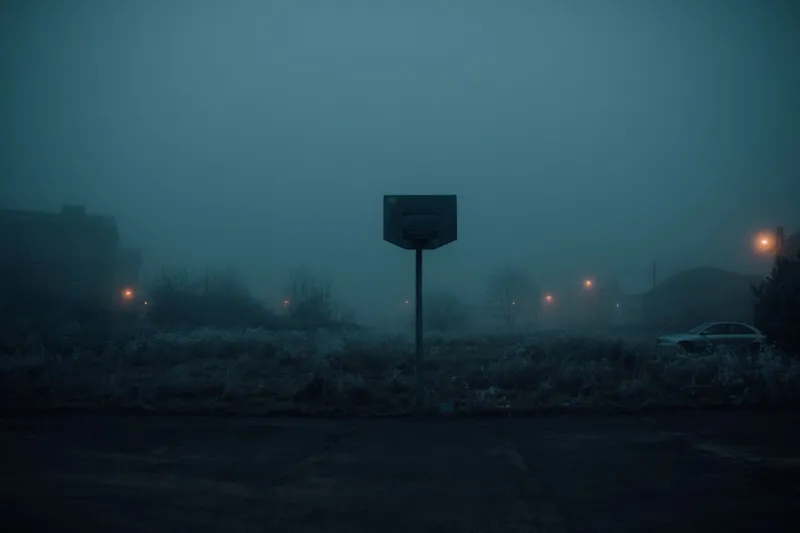
Silent Hill's effectiveness as a horror vehicle has always been inseparable from its relationship with solitude. The design philosophy across the franchise's best entries — the original, Silent Hill 2, Silent Hill 3 — is fundamentally about stranding the player inside someone else's psychological breakdown with no external reference points. The fog doesn't just obscure the town; it obscures the context. You don't know what's real, what's symbolic, or what the game even wants from you.
That uncertainty is the horror. Not the nurses. Not Pyramid Head. The not-knowing.
Let's Play culture, almost by definition, eliminates the not-knowing. When a streamer with half a million subscribers boots up Silent Hill 2 for the first time, their chat is already populated with people who've watched ten other playthroughs, read the wiki, and formed confident opinions about every piece of symbolism in the game. The community knowledge enters the stream before the player does. The fog doesn't stand a chance.
What Gets Lost (And What Doesn't)
To be fair — and this is worth being fair about — something genuinely interesting happens when Silent Hill becomes a spectator sport. The communal reaction to horror has its own texture. Watching a streamer encounter Pyramid Head for the first time, surrounded by a chat that's either screaming or ominously silent, creates a kind of shared dread that solo play simply can't replicate. There's a reason horror movies have always worked better in crowded theaters than on streaming services watched alone.
But Silent Hill isn't a horror movie. Its scares are architectural, not cinematic. They depend on your specific confusion, your specific guilt, your specific fear response to the imagery the game throws at you. When James Sunderland's story lands, it lands because you've been walking in his shoes for eight hours and the truth hits you like something you already knew. That process requires a certain intimacy that an audience fundamentally disrupts.
Speedrunning takes this disruption to its logical extreme. Watching a skilled runner clear Silent Hill 2 in under two hours, skipping cutscenes and clipping through geometry, is genuinely impressive as an athletic achievement. As a horror experience, it's approximately as terrifying as a floor plan.
The Demystification Problem
Here's the thing about Silent Hill's mysteries: they were designed to be unresolvable. The franchise's mythology is intentionally incomplete, built to generate interpretation rather than answers. That's what made the fan community so electric in the early 2000s — nobody knew what the Otherworld was, not definitively, and the arguing was part of the point.
The internet didn't just document Silent Hill's secrets. It created an infrastructure for resolving ambiguity at industrial scale. Within days of any new entry's release, wikis are populated, lore videos are uploaded, and the consensus interpretation starts to calcify. The questions that were supposed to stay open get closed by community vote.
This isn't unique to Silent Hill — it's happened to every mystery-forward franchise from Lost to Dark Souls. But it hits Silent Hill particularly hard because the ambiguity isn't a feature layered on top of the experience. It is the experience.
What Future Horror Games Are Learning (Or Should Be)
Designers paying attention to this dynamic are starting to make interesting choices. Some recent horror games have leaned into the streaming era rather than fighting it — building experiences that are explicitly designed to be watched as much as played, with theatrical pacing and reactive commentary hooks. Others have gone the opposite direction, creating horror that's so personal and so dependent on individual player input that streaming it feels almost voyeuristic.
Neither approach fully solves the problem. What they both acknowledge, though, is that the relationship between horror games and their audiences has fundamentally changed, and pretending otherwise is its own kind of denial.
Silent Hill was built for a world where you couldn't Google the ending. That world is gone. The fog still rolls in when you boot up the game, but now there are a thousand people watching it with you, and half of them already know what's on the other side.
The Fog Doesn't Care
Here's the counterargument, and it's worth taking seriously: the games still work. People still report genuine dread playing Silent Hill 2 for the first time, even after watching streams, even after reading the wiki. The psychological machinery is durable enough to function even when the mystery is partially spoiled, because the horror was never really about information. It was about feeling.
You can know intellectually that James killed Mary and still feel the weight of that revelation land in your chest when the game finally says it out loud. You can know that Pyramid Head is a manifestation of James's guilt and still feel something primal when he appears in a hallway.
Maybe the streaming era hasn't killed Silent Hill's horror so much as redistributed it. The first-time dread is harder to protect. But the emotional core — the part that makes the franchise matter — turns out to be more resilient than anyone gave it credit for.
The fog adapts. It always has.