Every Room Tells a Lie: Silent Hill's Architecture of Hidden Trauma
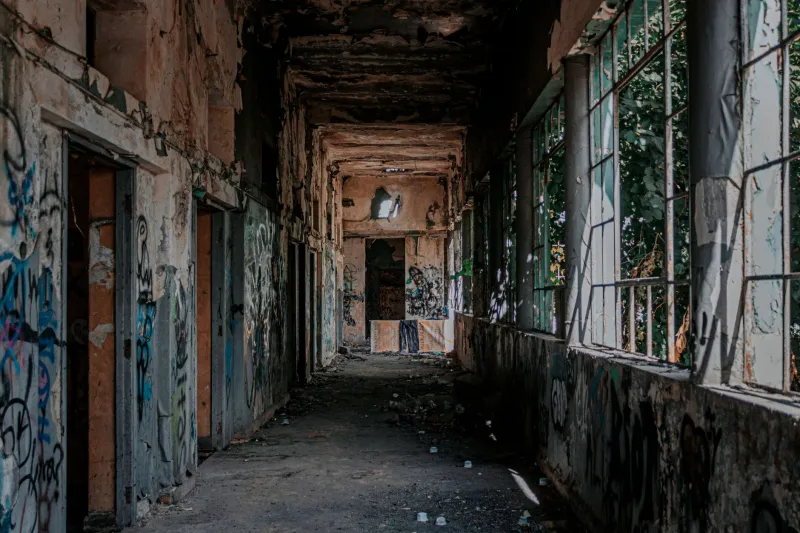
You've probably never thought of a school hallway as a confession. Silent Hill has.
The franchise's most underappreciated achievement isn't its monster design or its sound work or even its narrative ambiguity, though all of those are remarkable. It's the way it uses built space as a psychological text. Every location in Silent Hill is communicating something about the person moving through it — and once you learn to read the architectural language, the games reveal a layer of storytelling that most players absorb emotionally without ever consciously unpacking.
This is a guide to unpacking it.
Hospitals: The Body as Betrayal
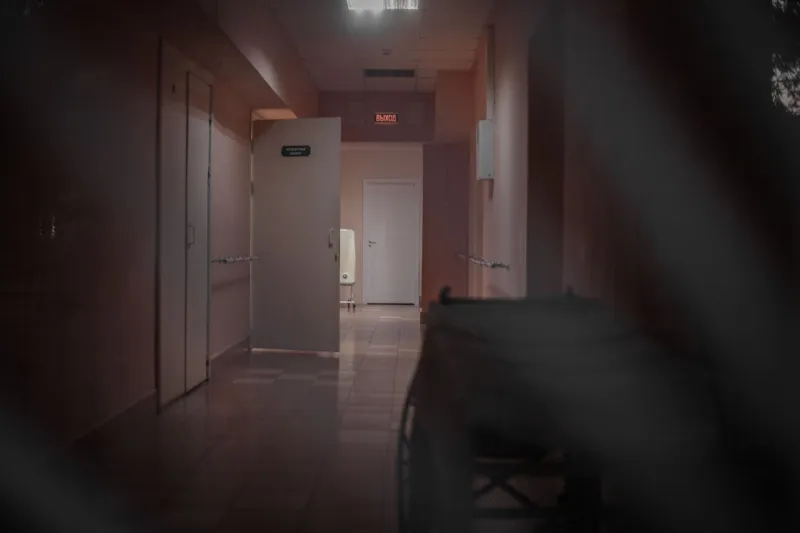
Silent Hill's medical spaces are among the most iconic environments in horror gaming, and their specific flavor of dread is worth examining. Alchemilla Hospital in the original game, Brookhaven in Silent Hill 2, the Otherworld version of Alessa's treatment spaces in Silent Hill 3 — these aren't just creepy because hospitals are creepy. They're creepy because of what they represent for the characters inhabiting them.
For Alessa, medical spaces are locations of prolonged abuse — places where her body was used as an instrument for someone else's purpose, where pain was administered by people in positions of authority and care. The Otherworld hospital in Silent Hill 3 literalizes this: the space is corrupted, the equipment is wrong, the bodies are wrong. It looks like a place of healing that has been revealed as something else entirely. That revelation mirrors Heather's own process of confronting what happened to Alessa.
For James, Brookhaven carries the weight of Mary's illness — the long institutional decline, the smell of antiseptic and fluorescent lighting, the particular helplessness of watching someone you love disappear inside a medical system that can slow the process but can't stop it. The hospital in his Silent Hill isn't just scary. It's the specific shape of his grief.
Schools: Arrested Development and Unfinished Wounds
Midwich Elementary in the first game is a masterclass in using familiar space to generate unfamiliar dread. Schools are supposed to be safe — or at least, they're supposed to represent the structured, supervised version of childhood. When Silent Hill corrupts that space, it's not just going for easy nostalgia horror. It's making a specific argument about Alessa's experience.
Alessa's school years were not safe. The elementary school in Silent Hill reflects a childhood that was never what it was supposed to be — the institutional space of learning and development transformed into something predatory and confining. The darkness, the locked doors, the creatures that don't belong in a place meant for children: these aren't random horror elements. They're the architecture of a specific kind of childhood damage.
Silent Hill 3 returns to school environments with Heather, and the game uses the space differently — less about origin trauma and more about the performance of normalcy over something broken. Heather moves through the world as a teenager who has constructed a functional identity over an unbearable history. The school space in her game reflects that tension between surface and underneath.
Apartments and Domestic Spaces: Home as Hazard
The apartment buildings in Silent Hill 2 deserve their own extended analysis. The game uses residential architecture — the kind of middle-American multi-family housing that's supposed to represent ordinary life — as a container for extraordinary dysfunction.
Each apartment in South Vale tells a story without exposition. The personal effects left behind, the specific ways the space has deteriorated, the relationship between what these rooms were and what they've become — it's environmental storytelling operating at a level most games don't attempt. The apartments feel lived-in and abandoned simultaneously, which is exactly the emotional register of grief: the space that holds the memory of someone who is no longer there to inhabit it.
For James, domestic space is the location of his central wound. His apartment with Mary, the bedroom, the domestic routines of a marriage that ended badly and didn't end at all — Silent Hill's residential environments are the physical correlative of that unresolved situation. You can't go home when home is the problem.
Amusement Parks: Joy Curdled Into Dread
Lakeside Amusement Park in Silent Hill 3 is one of the franchise's most effective location designs, and it works because of how specifically it exploits the gap between what amusement parks promise and what Heather's history contains.
Amusement parks are built for children. They're engineered happiness — bright colors, rides, the deliberate manufacture of delight. When Silent Hill corrupts this space, it's corrupting the idea of uncomplicated childhood joy, which is something Heather never had access to. The rides that don't work right, the attractions that have become something else, the specific melancholy of a fun space gone wrong: it's all pointing at the same absence.
There's also something in the amusement park's designed quality — the fact that it was built to create an experience, to manipulate emotion through environment — that mirrors what Silent Hill itself does. The town is, in some sense, an amusement park for trauma: a designed space that takes your emotional history and builds an experience around it.
Reading the Rooms
What makes Silent Hill's architectural language so effective is that it operates on you whether you're consciously reading it or not. You don't need to understand why the hospital feels specifically wrong to feel specifically wrong inside it. The design does the work beneath the level of articulation.
But understanding it changes the experience. When you know that every space in Silent Hill is a psychological document — that the corruption of each location is a map of a specific wound — the games become something richer than horror. They become portraits. The town isn't haunted by ghosts. It's haunted by interiors: the accumulated damage of inner lives that couldn't be contained, spilling out into the architecture of the world until the world became indistinguishable from the damage itself.
That's the fog. That's always been the fog.