Rust Never Sleeps: Silent Hill Is Just a Rust Belt Town With Worse Weather
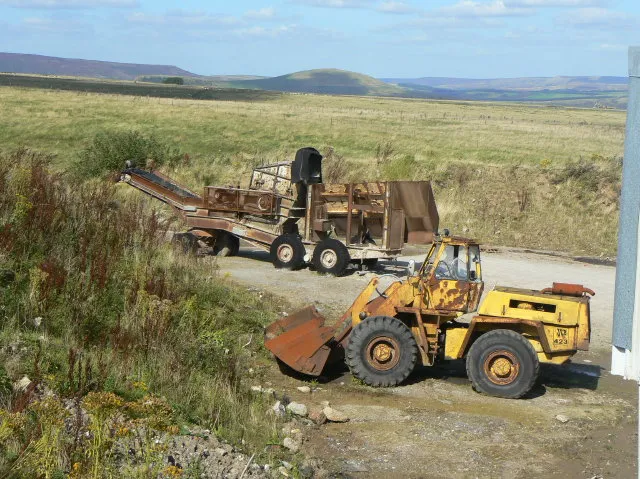
Photo: Alan Murray-Rust, CC BY-SA 2.0, via Wikimedia Commons
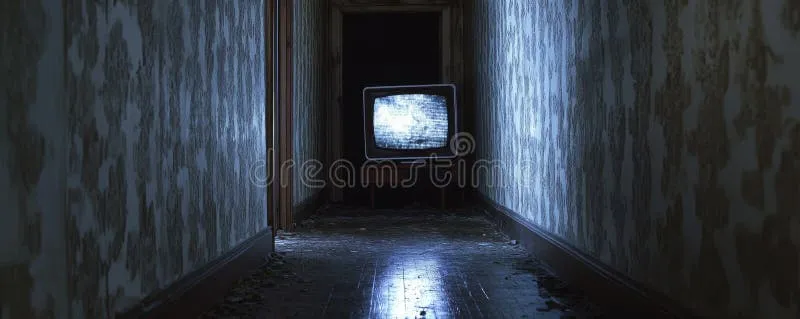
Every Silent Hill fan eventually has the same realization: the scariest thing about the town isn't the nurses or the dog houses or the thing with the pyramid on its head. It's that the town itself — the shuttered storefronts, the rusted swing sets, the school nobody's cleaned out since the '70s — looks exactly like a hundred places you could drive to on a Saturday afternoon.
Silent Hill was never really a fantasy. It was a portrait of American decline with a monster problem.
The Real Town Under the Fake One
Start with the obvious ancestor: Centralia, Pennsylvania. A coal seam fire has been burning beneath Centralia since 1962, and the town has been slowly evacuated ever since — condemned houses, cracked highways bleeding steam, a graveyard surrounded by smoke. The state basically bought everyone out. Fewer than a handful of residents remain, stubbornly holding onto properties the government has been trying to take for decades.
Now tell me that's not Silent Hill's origin story with the cult swapped in. A town poisoned by something underneath it. A population that either left or stayed and pretended everything was fine. An institution telling people the danger was manageable, even holy. Centralia didn't need an Order; it had a mining company and a bureaucracy.
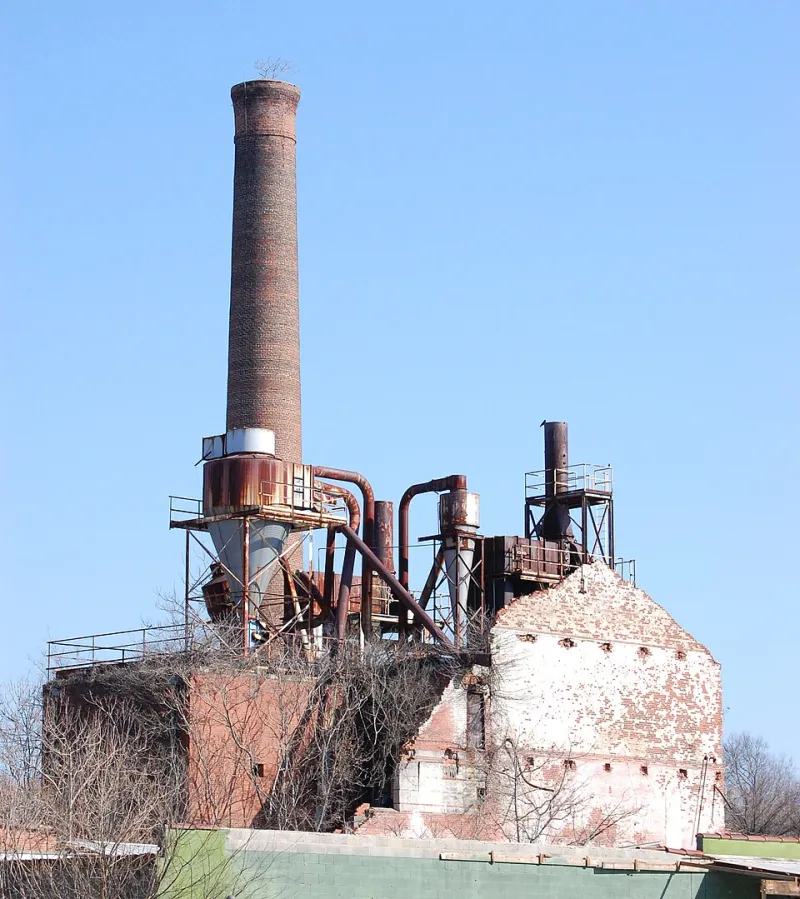
The developers at Team Silent were drawing on broader imagery too — the fog itself reportedly inspired by the weather around San Francisco, but the texture of the town is pure rust belt. Think Braddock, Pennsylvania. Think Flint, Michigan. Think the stretches of Route 61 in Minnesota or the hollowed-out main streets of upstate New York, where every third building has a faded banner for a hardware store that closed in 2009.
Main Street as a Haunted House
What makes Silent Hill's geography so effective is that it follows the logic of a real mid-century American town, not a game designer's convenience. There's a school. A hospital. A movie theater, a bowling alley, a diner. A business district built for a population that no longer exists. The town didn't get abandoned because of monsters — the monsters just moved into a town that was already dying on its own.
That's the trick. When you walk through the Balkan Church or paw through the drawers of the Heaven's Night bar, you're reading the inventory of a community that gave up. Kids' toys in a house where nobody's paid taxes in a decade. A pharmacy with a single prescription left on the counter. American horror doesn't need ghosts when it has vacancy.
Real rust belt towns communicate the same thing through decay. The dilapidated elementary school in Silent Hill 3 hits differently if you've ever driven past an actual abandoned school with a basketball hoop still standing in the lot. The series understands that Americans are already primed to feel dread in these spaces. We've all seen them. We've all wondered what's inside.
Why Developers Keep Coming Back
The rust belt aesthetic has become horror gaming's favorite shorthand, and Silent Hill is the reason why. Games like the recent remakes, the Alan Wake lineage, and countless indie titles borrow the same palette: overcast skies, brick facades, water towers, chain-link. It's cheaper to render than a gothic castle and infinitely more unsettling, because it looks like here.
There's a reason horror moved out of the haunted castle and into the dead mall. Suburban and post-industrial American spaces carry their own mythology — the promise of prosperity that curdled into something else. Silent Hill weaponizes that betrayal. The town was supposed to be a resort, a lakefront getaway. Instead it became a place people can't leave. That's not just a plot; that's the economic story of half the towns between Pittsburgh and Peoria.
The Fog Is a Budget Decision That Became a Philosophy
Here's the fun part: the iconic fog was originally a technical workaround, a way to hide the draw distance on the original PlayStation. But it accidentally did something thematically perfect. Fog is what a dying town feels like — the haze of a mill town, the smog of a factory town, the general grayness of a place where the biggest employer left in 1987.
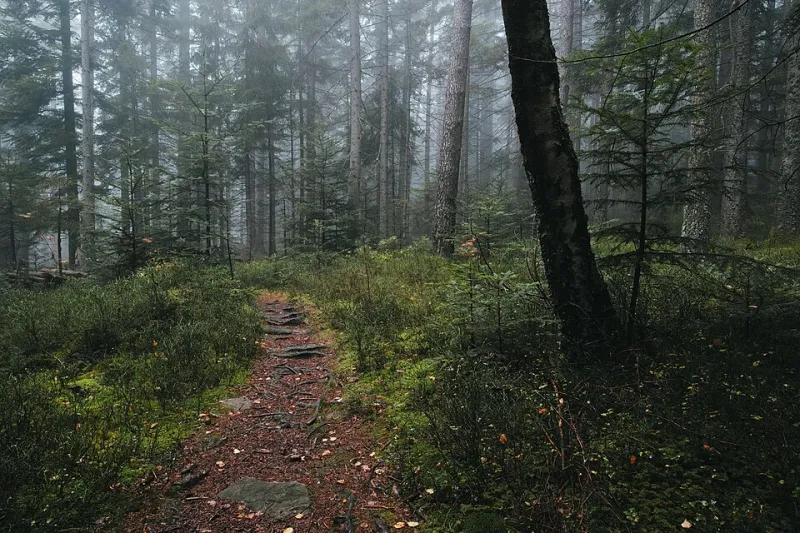
Other horror games have tried to replicate the look without understanding the meaning. The fog isn't scary because it obscures monsters. It's scary because it obscures context. You can't see what the town used to be. You can't see how far the decline goes. You just keep walking through it, past buildings that all used to mean something.
A Town You've Already Visited
The genius of Silent Hill is that it's a mirror pointed at real geography. If you've grown up anywhere near deindustrialized America, you've already done half the game's work. You've felt the specific quiet of a main street with no cars on it. You've noticed the church that's the only maintained building for six blocks.
The monsters are the garnish. The town is the meal. And the town, it turns out, is just America with the lights left on for nobody.