Home Is Where the Horror Is: How Silent Hill's Recurring Locations Break You Through Familiarity
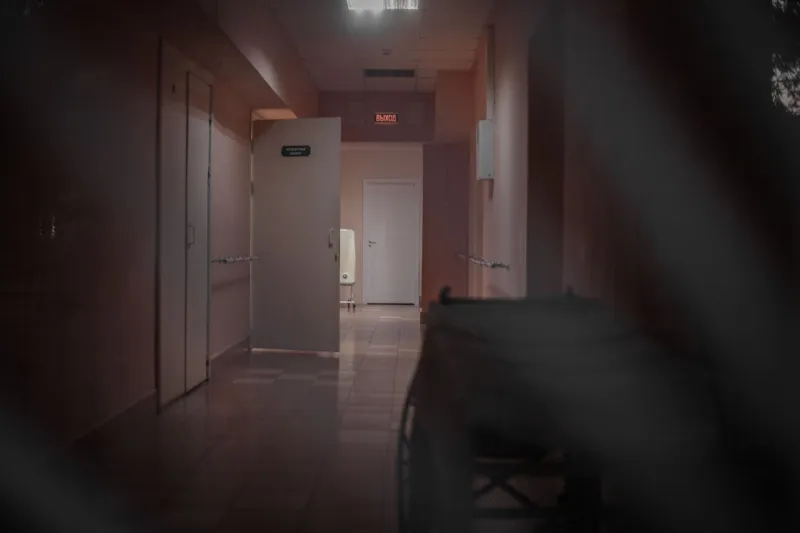
There's a specific kind of dread that kicks in the moment you recognize something in Silent Hill. Not the jump-scare dread — that's cheap, disposable. This is slower. It's the creeping realization that the corridor you're walking down is one you've walked before, in a different game, under different circumstances, and somehow that makes it worse. You know where the nurses' station should be. You know which stairwell leads to the basement. And then the game moves a wall, or floods the floor, or replaces the exit with a locked door you've never seen, and all that knowledge curdles into something close to panic.
That's the trap Silent Hill has been setting since 1999, and it's one of the most underrated design decisions in horror gaming history.
The Illusion of the Known
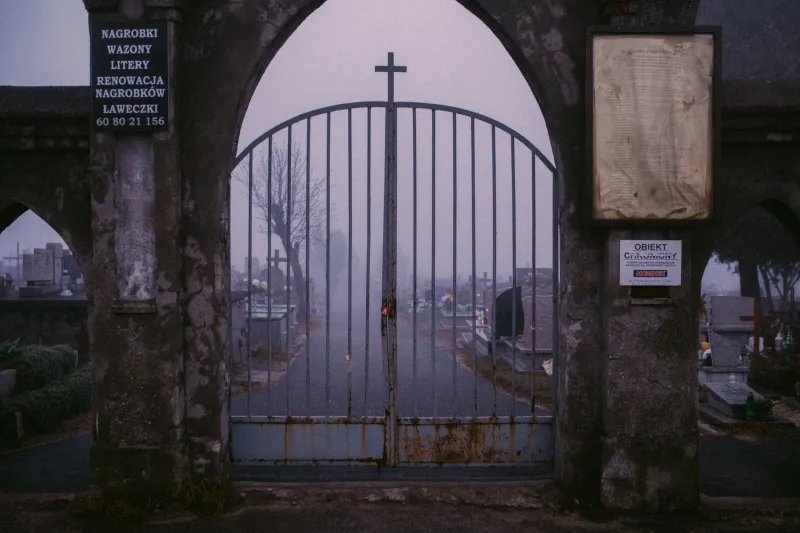
Alchemilla Hospital shows up in the first two mainline Silent Hill games. Midwich Elementary appears in the original and echoes through the franchise's DNA for years afterward. Brookhaven, the apartment complexes, the prison — these spaces recur with enough consistency that longtime fans develop what feels like genuine spatial memory for them. You start a new game and think, I've got this. I know this place.
That confidence is the setup. The franchise is specifically engineering it.
Game designers talk a lot about "player mastery" — the satisfying arc of learning a system well enough to feel competent inside it. Most games reward that mastery. Silent Hill uses it as bait. The moment you feel like you understand a space, the franchise finds the precise point of maximum comfort and drives a knife into it. The hospital wing you navigated confidently in Silent Hill 2 becomes a labyrinth of flooded corridors and wrong-angled geometry in Silent Hill 3. The school that felt oppressive but manageable in the first game comes back in later entries stripped of every landmark you used to orient yourself.
It's not randomized cruelty. It's deliberate psychological architecture.
Why Hospitals and Schools?
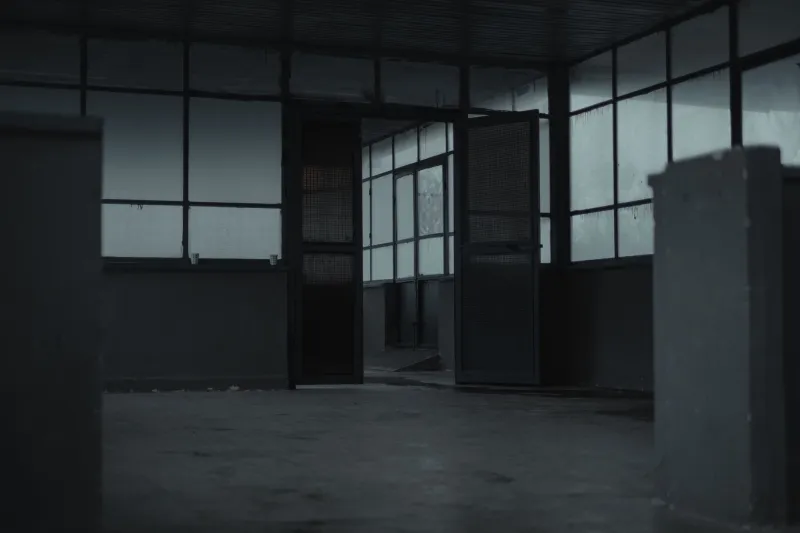
The franchise's preference for these specific location types isn't accidental. Hospitals and schools are two of the most universally loaded spaces in American cultural memory. We all spent years in buildings that looked like Midwich Elementary — the linoleum floors, the trophy cases, the gymnasium smell. We've all sat in waiting rooms that could be Alchemilla's intake area. These aren't exotic horror settings. They're places we've surrendered control before, as children, as patients, as people who needed something from an institution that held power over us.
Silent Hill understood that before most horror games even thought to ask the question. The uncanny valley effect that the franchise relies on isn't just about visual distortion — it's about contextual distortion. A monster in a forest is scary. A monster in a hallway that looks exactly like your middle school is a different category of fear entirely.
When the games return to these locations across multiple entries, they're stacking layers of that feeling. You bring baggage from real life AND baggage from previous playthroughs. The space is haunted twice over.
The Betrayal of Repetition
Here's what makes the recurring location trick so effective over time: it only works because the franchise earned your trust first.
The original Silent Hill gives you Alchemilla as a genuinely terrifying, genuinely navigable space. You learn it. You survive it. You carry that survival forward. Then Silent Hill 2 brings you back, and the layout is almost the same — close enough that your memory keeps reaching for shortcuts that don't exist anymore. The familiarity becomes a liability. Your past experience is actively working against you.
This is what separates Silent Hill's approach from simple environmental recycling. A lot of franchises reuse assets out of budget necessity. Silent Hill reuses geography as a narrative and psychological tool. The sameness is the point. The differences are the horror.
Long-time fans describe this phenomenon in the community pretty consistently — that specific feeling of walking into a familiar space and having your stomach drop when something is slightly, wrongly off. The ceiling is lower. The room is mirrored. The door that was always there is now a wall. It reads less like a design change and more like gaslighting. Like the game is insisting your memory is faulty.
Mastery Destroyed
What the franchise is ultimately doing with these spaces is attacking one of the few psychological defenses players bring to horror games: preparation.
Most horror game veterans develop coping strategies. You learn enemy patterns. You memorize safe rooms. You build a mental map. These skills are real, and they're genuinely useful — until Silent Hill decides they aren't. The recurring locations strip away the sense of earned competence that usually accumulates across a franchise. Instead of feeling more capable as a series veteran, you often feel more vulnerable, because you have more expectations to violate.
New players get scared because they don't know what's coming. Veterans get scared because they thought they did.
That's a genuinely sophisticated design achievement, and it's one that the franchise stumbled into somewhat organically — the recurring locations were partly a practical choice in the early games — but refined into something intentional and devastating over time.
What It Means for the Reboot Era
With Silent Hill 2 Remake putting Bloober Team's version of Toluca Lake and Alchemilla back in front of a new generation, the question of how to handle familiar geography has never been more relevant. Early reactions from the community have been split on exactly this issue — how much should the remake preserve the original's spatial logic, and how much should it deliberately violate it?
The answer, if the franchise's own history is any guide, is that the violation is the preservation. A Silent Hill location that feels comfortable isn't doing its job. The fog doesn't care that you've been here before. In fact, it's counting on it.