Headphones On, Lights Off: I Tested the 'Proper' Way to Play Silent Hill and Kept a Journal
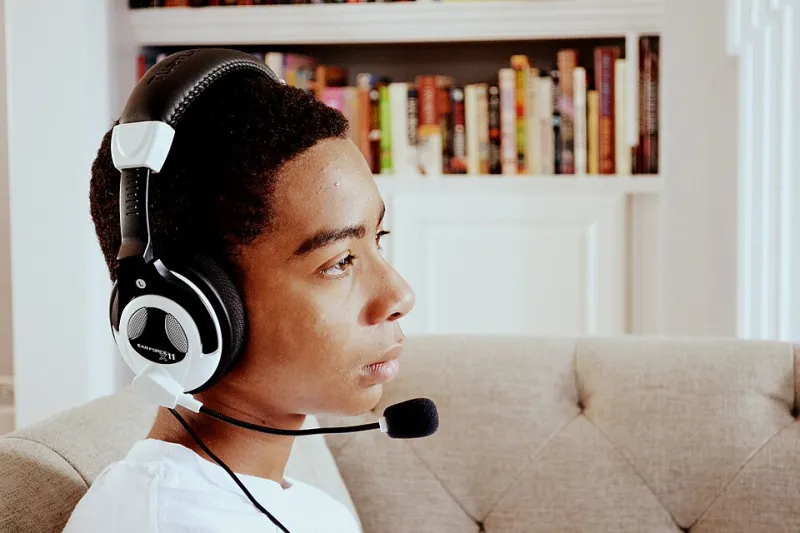
Photo: LE Morgan, CC BY-SA 2.0, via Wikimedia Commons
Every fandom has its commandments. Horror gaming's are simple: play at night, lights off, headphones on, and don't you dare open a walkthrough. I'd always treated these as folklore — the gaming equivalent of not swimming for thirty minutes after eating. So I decided to test them properly. Over three weeks, I played through the core Silent Hill games under strict conditions: dark room, quality over-ear headphones, no guides, no wiki, no second monitor. I kept a journal. Here's what I learned, and how you should set up your own first playthrough.
The Setup
The rules were non-negotiable. After 10 PM only. Curtains closed. Headphones, not speakers — the franchise's sound design is built for binaural isolation, and the radio static lives in the mix in a way speakers dilute. No pausing to look things up. If a puzzle stumped me, it stumped me.
I started with the original Silent Hill, moved to Silent Hill 2 (the remake, then the original for comparison), then Silent Hill 3 and 4. Here's the journal, edited for sanity.
Night One: The Original, and the Lesson of Static
10:40 PM. The fog world hits differently when the room around you is equally featureless. With headphones, the radio isn't a mechanic — it's a heartbeat. I caught myself holding my breath during static bursts, and I don't think a single jump scare in the last decade has done that to me.
11:55 PM. First real flinch: a crawling thing in the school. Not because it's scary-looking, but because the audio sold its position wrong on purpose. In the dark, my brain filled in the rest.
Verdict: The original still works, but its dread is atmospheric, not narrative. You're scared of the room, not the plot.
Nights Two Through Four: Silent Hill 2, the Weight Test
The remake with headphones is almost unfair. The creaking of the wood-panel walls, the foghorn, the way monsters vocalize before you see them — it's engineered for exactly the conditions I created. But the surprise was the original, which I replayed for comparison. Even with dated visuals, the sound design carried the horror almost entirely on its own. Eddie's scene in the meat locker, heard through cans at midnight, is still one of the most unsettling sequences in the medium.
The no-wiki rule hurt here. I got stuck in the prison for a genuinely embarrassing amount of time. But that wandering — that lost, directionless trudge — is arguably the point of the game. The walkthrough would have been a mercy, and mercy is not what this franchise deals in.
Night Five: Silent Hill 3 and the Home Field Disadvantage
SH3 is the scariest of the bunch under these conditions, full stop. It's also the shortest and most aggressive. The mall's Otherworld transitions hit harder in the dark, and the game's body horror — that theme of flesh and growth — is significantly worse with a subwoofer pressed against your skull via headphone drivers. I stopped at 1 AM. Not proud, but honest.
Night Six Onward: The Room, and When the Trick Stops Working
Silent Hill 4 broke my methodology a little, because its whole deal is the room — and my dark bedroom started to feel suspiciously similar. Eileen's worsening condition, the tunnel back to Apartment 302, the wall of lists. Playing this game in a small apartment at night is either the optimal way to experience it or a genuine health risk. Possibly both.
The Field Guide: How to Set Up Your Own Descent
If you're a newcomer wondering whether the old games still scare, here's my distilled advice:
- Headphones, always. This franchise is 60% audio. Speakers leak the dread; headphones inject it.
- Darkness matters less than isolation. The dark room helps, but the real multiplier is playing alone with nowhere else to be. Silence in the house is the actual amplifier.
- Resist the wiki for at least one full playthrough. Every guide you open pre-spends a scare. Confusion is a feature.
- Play in sessions, not marathons. The dread compounds across nights. Waking up and knowing you're going back in is half the experience.
- Start with SH2 (either version), then 3, then the original. The original's atmosphere lands better when you already care about the town.
So Do the Old Games Still Work?
Yes — but not the way you remember. The originals don't scare through visuals anymore; they scare through sound, pacing, and that dreamlike wrongness the remakes smooth over. Under the right conditions, the fog rolls in exactly like it did in 1999. The town never left. Most of us just turned the lights on.