Bodies That Betray: The Medical Horror Language Silent Hill Invented and Nobody Else Has Learned
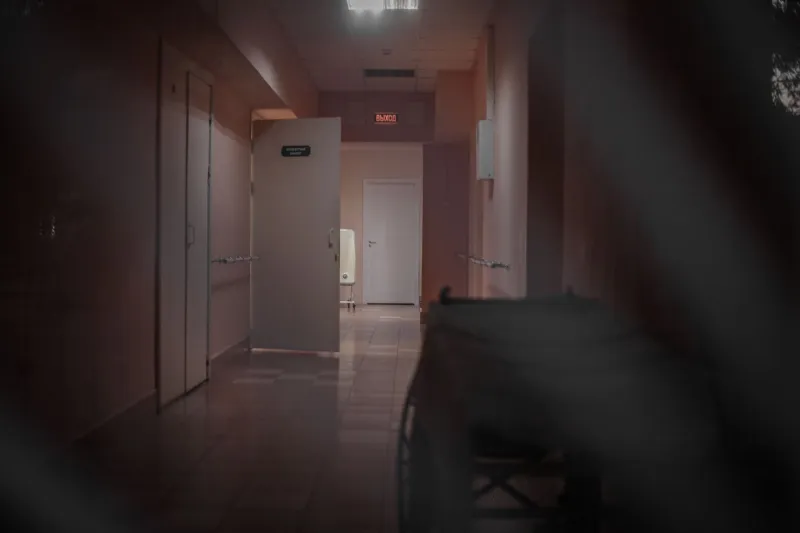
There's a specific kind of horror that lives in hospital corridors at three in the morning — not the jump-scare horror of something leaping out of a supply closet, but the quieter, more persistent dread of bodies doing things bodies aren't supposed to do. Tubes and monitors and the smell of antiseptic over something that antiseptic can't quite cover. Silent Hill understood that specific horror before most game designers had even considered it as a design space.
What the franchise built over its best entries wasn't just a collection of grotesque imagery. It was a systematic vocabulary — a way of using bodily distortion, disease, and decay as narrative shorthand for internal states that resist direct description. Here's a breakdown of how that vocabulary works, why it hits differently than anything that's come after it, and what it reveals about suffering that more straightforward storytelling simply can't access.
1. Wounds That Mean Something
The most basic level of Silent Hill's medical horror is also its most effective: the game's monsters don't just look diseased — they look specifically diseased in ways that map onto the psychological state of the protagonist.
James Sunderland's creatures in Silent Hill 2 are the clearest example. The Mannequins — two sets of legs fused at the hip, walking on four limbs with no torso, no face, nothing recognizably human except the legs themselves — are simultaneously sexual and mutilated. They're bodies that have been reduced to a single function and then broken even at that. The Abstract Daddy is a writhing mass of bodies trapped under a surface, pressing upward without being able to escape. These aren't random grotesqueries. They're precise.
Modern horror games tend to treat monster design as an aesthetic exercise. The creatures in something like The Callisto Protocol are impressively rendered, genuinely unsettling to look at, and almost entirely disconnected from the narrative's emotional content. They're scary because they're scary. Silent Hill's monsters are scary because they're about something.
2. The Hospital as a State of Mind
Alchemilla Hospital in the original Silent Hill. Brookhaven Hospital in Silent Hill 2. Hilltop Center in Silent Hill 3. The franchise returns to medical settings so consistently that it's tempting to read it as simple aesthetic repetition. It isn't.
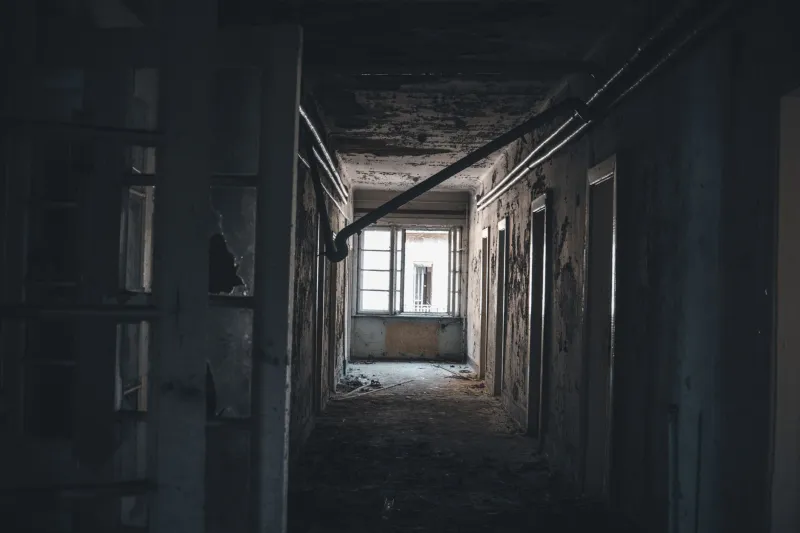
Hospitals in Silent Hill function as environments where the body's failures become architectural. Rooms become organs. Corridors become digestive tracts. The building itself seems to be processing something — breaking something down, converting it into something else. The clinical environment, stripped of its protective purpose, becomes a space where the body is exposed and examined without the possibility of treatment.
This is medical horror at its most sophisticated: not the fear of doctors or needles or procedures, but the fear of being seen clearly by something that can diagnose you without being able to help you. The hospital knows what's wrong. It just doesn't care.
Comparison point: Outlast, which is also set in a psychiatric facility and also uses medical imagery extensively, treats the hospital primarily as a location for atrocities. The terror is external — things being done to bodies, violence being inflicted. Silent Hill's hospital terror is internal. The building isn't doing things to you. It's showing you things about yourself.
3. Heather's Body in Silent Hill 3
Silent Hill 3 does something almost unique in the franchise's run: it centers medical horror specifically on a female protagonist's relationship with her own body. Heather Mason's story is, among other things, about a seventeen-year-old girl who discovers that her body has been used as a vessel without her knowledge or consent — that something has been growing inside her, placed there before she had any agency over it.
The game's imagery responds to this accordingly. The monsters in Silent Hill 3 are more viscerally gynecological than anything in the earlier entries — bodies turned inside out, reproductive systems rendered as weapons, birth and growth imagery twisted into something threatening. It's uncomfortable in a way that's clearly intentional, and it communicates something about bodily autonomy and violation that the game's dialogue never addresses directly.
This is where Silent Hill's medical vocabulary becomes genuinely literary. The imagery isn't just describing Heather's situation — it's enacting it, making the player feel the violation in their visual cortex rather than just understand it intellectually.
4. Decay as Character Development
One of the most underappreciated techniques in the franchise's toolkit is the way it uses physical decay to track psychological deterioration. The Otherworld doesn't just appear — it advances, and its advancement is always tied to an emotional state reaching a critical threshold.
This gives the bodily horror a narrative function that goes beyond set dressing. When the environment starts rusting, when the walls start bleeding, when the flesh starts appearing where concrete should be — you're not just watching a location transform. You're watching a psychological state become unsustainable. The decay is a diagnostic.
Few modern horror games have managed to replicate this effectively. Signalis comes close, using bodily and mechanical deterioration as psychological metaphor with genuine sophistication. But the ambient decay in something like Resident Evil Village, however beautifully rendered, is primarily atmospheric. It tells you where you are, not what you're feeling.
5. What the Language Actually Says
Taken together, Silent Hill's medical horror vocabulary makes a single, consistent argument: that the body is not separate from the mind, and that psychological suffering will find a way to express itself physically whether you want it to or not.
This is not a comfortable argument. American culture in particular tends toward a mind-body dualism that treats mental illness as something that happens to the body rather than through it — something that can be corrected, managed, medicated into submission. Silent Hill refuses that framework entirely. Its monsters are the body's insistence on being heard. Its hospitals are the places where that insistence becomes impossible to ignore.
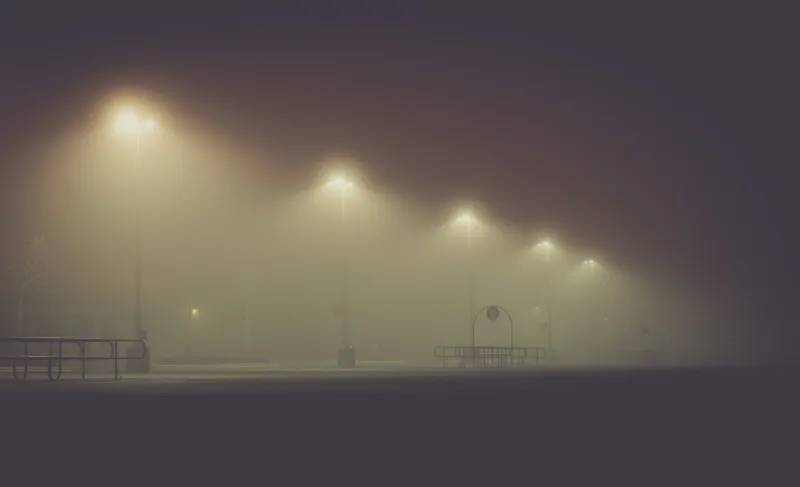
That's why the imagery still unsettles a quarter-century after the first game shipped. It's not that the graphics hold up — they don't, not by contemporary standards. It's that the argument holds up. The body still betrays. The fog still rolls. And no amount of polygon count has managed to say what Silent Hill said with a mannequin walking on four legs in a darkened hallway.