Shared Screams, Private Dread: What Happens When Silent Hill's Loneliness Gets an Audience
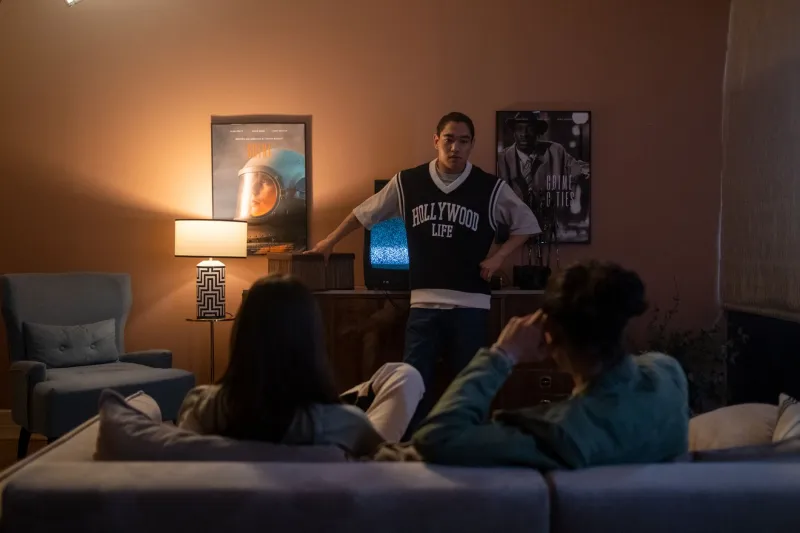
There's a very specific kind of Friday night that Silent Hill fans know well. Someone's got the controller. Maybe two or three other people are crammed onto a couch behind them, or a few hundred strangers are watching a Twitch stream from their own darkened bedrooms across the country. The fog rolls in. The radio starts crackling. And somehow — despite the fact that nobody is technically alone — every single person in that room, or chat window, feels the weight of it.
That shouldn't work. Silent Hill is, at its architectural core, a game about solitude. James Sunderland wandering into a town that exists specifically to punish him. Heather Mason carrying trauma so personal it's literally written into her biology. Harry Mason stumbling through a nightmare that only makes sense if you understand his grief. These are stories that live in the gap between one person and their worst memories. They aren't designed for group consumption. And yet.
The Paradox of Watching Someone Else Drown
When you hand a controller to a friend and watch them navigate Toluca Lake or the Otherworld hospital, something interesting happens to the fear. It doesn't dilute — it refracts. You're no longer the person in danger, but you're also not safely outside it. You become a kind of ghost haunting the player's experience, able to see every threat they might be missing, unable to do anything about it.
Horror researchers have actually spent time on this. The concept of "shared dread" — the way fear becomes socially contagious in group settings — is well-documented in film studies, but games add a layer that movies can't. There's an active agent making choices. When your friend walks down the wrong hallway in Brookhaven Hospital, you know they shouldn't. You might yell. They might not listen. The helplessness of that moment is its own flavor of terror, completely separate from what the person holding the controller is feeling.
Silent Hill, specifically, weaponizes this. Because its horror is so deeply psychological — so tied to interpretation and personal resonance — watching someone else play it becomes an exercise in projection. You start asking yourself what you would do. What the choices mean. Whether the person playing is handling the emotional weight of the story the way you think they should be.
The Streamer Effect
The rise of Let's Plays and horror streaming over the last decade has turned Silent Hill into something of a communal ritual. Search for Silent Hill 2 on YouTube and you'll find thousands of playthroughs, many of them with comment sections that function like group therapy sessions. People sharing what a particular scene meant to them. Debating endings. Arguing about whether James is sympathetic or monstrous.
This is fascinating because it suggests the games have a second life entirely — one that exists in the social space around them rather than inside them. A streamer playing Silent Hill 2 for the first time, genuinely processing the revelation at the end of the game, creates something that a solo playthrough never quite can: a witnessed emotional experience. The chat becomes a chorus. Some people have seen this moment a dozen times and are watching to feel it again vicariously. Others are experiencing it fresh. The result is this layered, generational thing — old grief and new grief occupying the same space.
American streaming culture, in particular, has a complicated relationship with performed emotion. There's always a question of authenticity when someone is playing for an audience. But Silent Hill tends to cut through that. The games are long, slow, and demanding enough that sustained performance becomes exhausting. What you usually end up seeing — especially in longer playthroughs — is something more honest. The streamer stops performing fear and starts actually feeling it. The chat notices. The dynamic shifts.
When the Audience Becomes Part of the Horror
Here's where it gets genuinely strange. Silent Hill's horror is, at its best, deeply personal. It's built from guilt, grief, repression, and denial — the kinds of emotional material that feel almost too private to share. So what happens when you're processing that material in front of an audience?
Some players describe a kind of dissociation. You're moving through the game's nightmare logic while simultaneously performing a reaction to it, and at some point those two things start to blur. The audience's expectations shape how you interpret what you're seeing. If chat is laughing at a monster design, it becomes less scary. If chat goes suddenly, collectively silent, it becomes more so.
There's also the matter of the games' endings. Silent Hill 2, in particular, has multiple conclusions that hit completely differently depending on how much of the story you've absorbed and how willing you are to sit with uncomfortable interpretations of James's character. Watching someone reach an ending in a group setting means watching them — and everyone around them — decide, in real time, what they think the game just said. That conversation, whether it happens in a living room or a chat window, is its own kind of meaning-making.
The Intimacy Doesn't Break — It Bends
What's remarkable is that none of this actually destroys what makes Silent Hill work. You'd think that adding an audience to something so deliberately private would collapse it — that the social noise would drown out the signal. But the games are built on such sturdy psychological foundations that they survive the translation.
If anything, the social viewing experience reveals something about the games that solo play sometimes obscures: Silent Hill's horrors are recognizable precisely because they're universal. James's guilt, Heather's identity crisis, Harry's desperate parental love — these resonate with audiences because they're not actually that private. They're just dressed in fog and rust and things that shouldn't be walking around.
Watching someone else move through that fog, you find yourself nodding. You've been here. Maybe not in Toluca Lake. But somewhere like it.
What the Group Playthrough Really Teaches You
If you've never experienced Silent Hill with other people — whether in person or through a stream — it's worth doing at least once. Not because it's the "right" way to play, but because it shows you something the solo experience can't: how the game's loneliness reads from the outside.
James Sunderland looks different when you're watching him from a remove. The things he misses, the things he avoids confronting, the way the town seems to be waiting for him to catch up to what the player already suspects — all of it becomes visible in a way that pure immersion sometimes prevents.
And when the credits roll, and the room goes quiet, and everybody starts talking over each other about what they just saw — that's Silent Hill doing what it always does. Getting into the space between people. Making you feel things you didn't expect. Just, this time, with company.
The fog, it turns out, has room for more than one.