Inside the Fog: How Silent Hill Turns Your Own Mind Against You
Most horror games are content to throw jump scares and grotesque creatures at you until something sticks. Silent Hill plays a completely different game. Instead of reaching into some universal catalog of scary stuff — spiders, darkness, loud noises — it reaches into you. Into the protagonist's buried guilt, repressed memories, and festering psychological wounds. Then it builds a town out of all of it.
That's not an accident. It's the franchise's central genius, and it's worth unpacking why it hits so much harder than anything else in the genre.
The Town as a Living Psychological Mirror
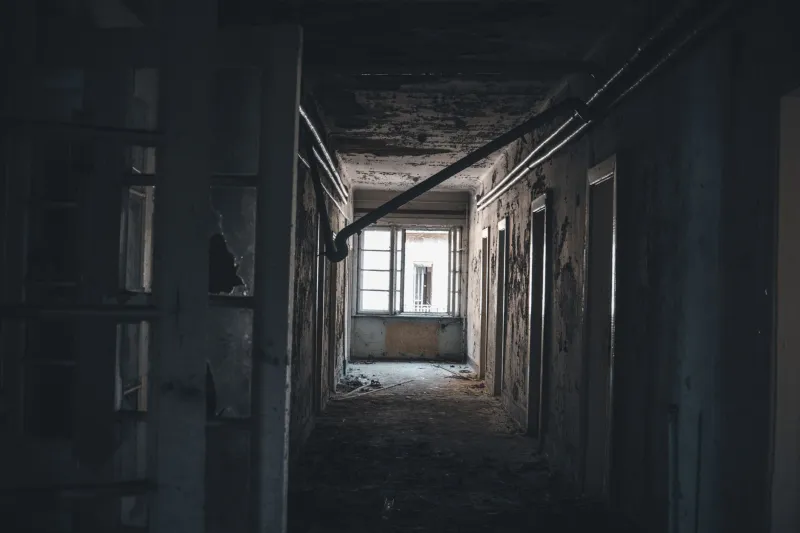
Silent Hill — the town itself — isn't a passive location. It's more like a diagnostic tool that got seriously out of hand. The fog, the rust, the inexplicable shifts between the "normal" world and the nightmare Otherworld — none of it is random set dressing. The town responds to whoever is wandering through it, reshaping its streets and horrors to reflect that person's inner landscape.
Think about James Sunderland in Silent Hill 2. The game's entire visual and narrative vocabulary is filtered through his specific psychology — his guilt over his wife Mary, his repressed sexuality, his self-loathing. Pyramid Head isn't just a scary monster. He's a physical manifestation of James's need to be punished, a walking embodiment of guilt given steel and flesh. You could drop Pyramid Head into a different protagonist's story and he'd lose most of his power, because he's not a universal horror — he's James's horror.
This is the thing that separates Silent Hill from almost every other franchise in gaming.
Jungian Psychology and the Shadow Self
The creative team behind the early Silent Hill games — particularly the legendary Team Silent — wasn't just making stuff up. There's a real psychological framework running underneath everything, and a lot of it traces back to Carl Jung.
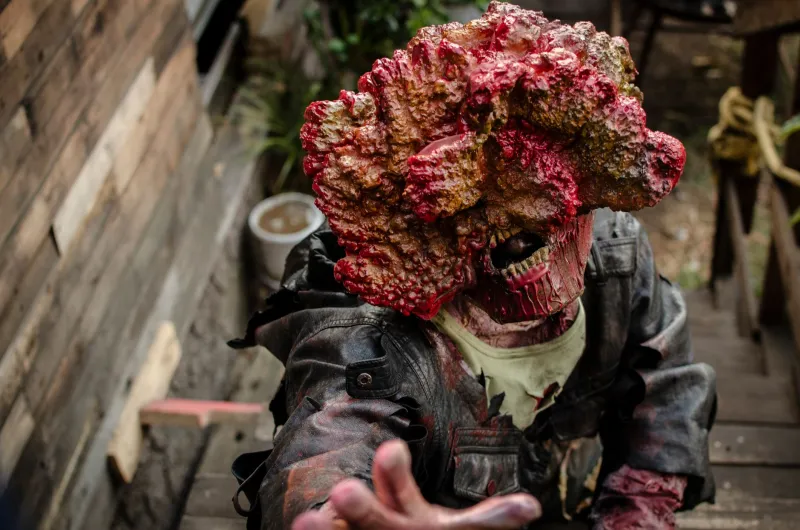
Jung's concept of the "Shadow" — the part of the psyche that contains everything a person represses, denies, or refuses to acknowledge about themselves — maps almost perfectly onto what Silent Hill does. The Otherworld is the Shadow made physical. The monsters are Shadow fragments given form. The fog is the liminal space between the conscious self and all the stuff we pretend isn't there.
In Jungian terms, confronting the Shadow is necessary for psychological wholeness. You can't integrate what you won't face. Silent Hill literalizes that process in the most brutal way possible: you have to walk toward the monsters. You have to go deeper into the town. Running away isn't really an option, and even when you try, the fog closes in and the streets loop back on themselves. The town — the Shadow — will be faced.
For American audiences raised on a cultural diet of "just don't think about it" and "move on," there's something particularly unsettling about a horror framework that insists unprocessed trauma will literally come for you.
Why the Fog Is More Than Atmosphere
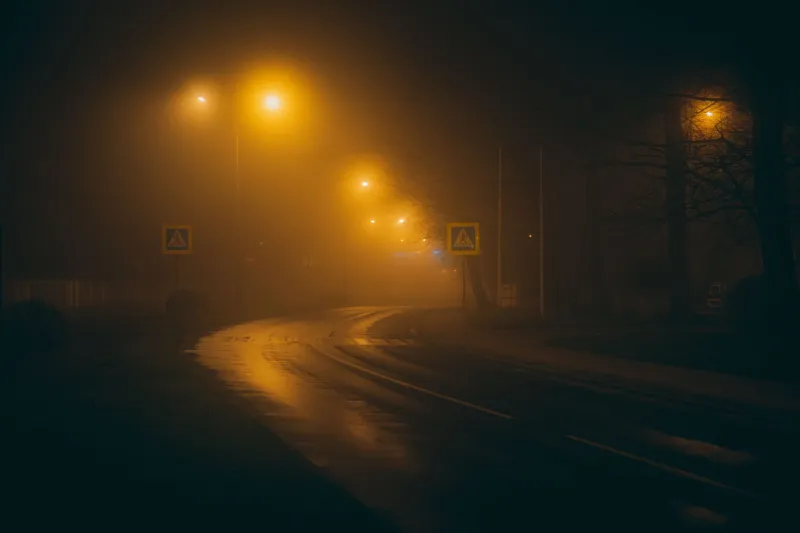
This site has spent plenty of time talking about Silent Hill's fog as a visual and technical achievement. But psychologically, it does something even more interesting: it erases the boundary between the safe and the dangerous.
In most horror, you know where the monster is — or at least you know it's somewhere else right now. The fog removes that comfort. The threat could be ten feet away or a hundred yards. You genuinely cannot tell. That spatial uncertainty mirrors the psychological experience of anxiety and dissociation, where the source of dread feels omnipresent and impossible to locate or confront directly.
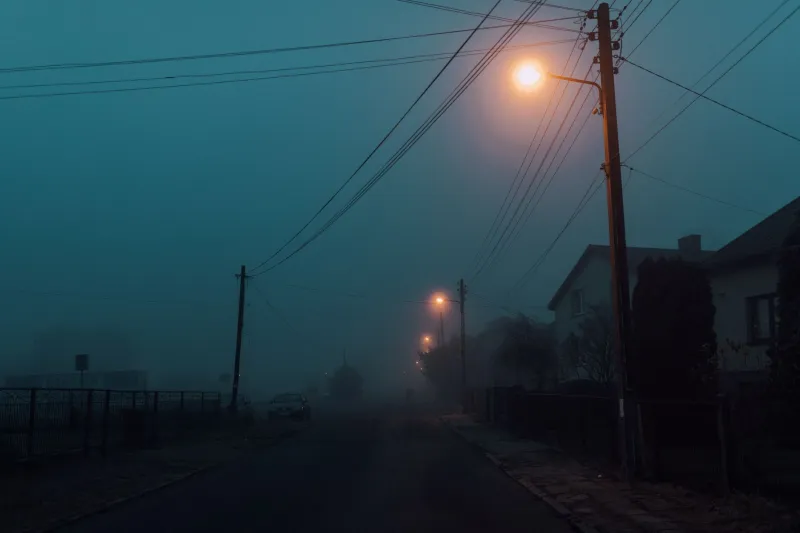
The fog is also a metaphor for the protagonist's own mental state. Memory is foggy. Grief is foggy. Guilt distorts and obscures. Walking through Silent Hill's perpetual gray haze is, on some level, walking through the interior of a traumatized mind — where nothing is quite clear, where the past and present bleed together, and where something terrible is always just out of sight.
Each Protagonist, a Unique Nightmare Architecture
What's remarkable about the franchise's best entries is how completely each game commits to its protagonist's specific psychology.
Heather Mason in Silent Hill 3 is navigating identity, religious trauma, and the horror of discovering that her entire sense of self was constructed around her. The monsters she encounters — distorted female forms, creatures that suggest bodily violation and transformation — reflect anxieties about selfhood, womanhood, and control over one's own body and destiny.
Henry Townshend in Silent Hill 4: The Room is trapped — literally and psychologically. His apartment, the one space that should be safe, becomes the source of the horror. The game externalizes agoraphobia, isolation, and the creeping dread of someone who has withdrawn so completely from the world that the world has started to withdraw from them in return.
Even the weaker entries in the franchise understand this template, even if they don't always execute it with the same precision. The idea that your inner life is literally shaping the world around you is baked into Silent Hill's DNA at every level.
Why This Makes Silent Hill Uniquely Terrifying
Here's the uncomfortable part: because the franchise's horror is rooted in genuinely universal psychological experiences — guilt, grief, repression, self-punishment, identity crisis — it has a way of finding purchase in the player's own psychology, not just the protagonist's.
You're not just watching James Sunderland be tormented by his guilt. You're holding the controller. You're making him walk toward Pyramid Head. And somewhere in the back of your mind, you're probably aware that the game is doing something to you, not just to the character on screen.
That's the real trick. Silent Hill doesn't just build a horror world around its characters. It builds one that's porous enough to let the player's own fears seep in through the edges. The fog doesn't stay in the game.
And that's why, decades later, people are still writing about it.