One Save, No Mercy: The Forgotten Terror of Silent Hill's Save System
Photo: Ivan Radic, CC BY 2.0, via Wikimedia Commons
Let's get the hot take out of the way: autosaves are the worst thing to happen to horror gaming, and the Silent Hill series' old-school save system is a big part of why the originals still terrify while their modern imitators merely startle. This is a ranked case for bringing brutal saves back, ordered from least to most important reason.
5. The Save Points Themselves Were Horror Set Pieces
Red squares of light humming in the dark. A save point in Silent Hill wasn't a menu — it was a location you planned your route around. You memorized where they were the way you memorize where the flashlights are stored during a blackout. Modern games scatter checkpoints like breadcrumbs; Silent Hill made reaching the next save a mini-quest with real geography and real risk.
4. Scarcity Created Natural Difficulty Curves
The series didn't need difficulty sliders the way modern games do. Your resources, your health, and your distance from the last save point were the difficulty. Pushing deeper into the hospital with low ammo and no save in reach was a decision you made, consciously, and the game made you live with it. That's player-driven tension, and no dynamic difficulty algorithm has ever replicated it.
3. Losing Progress Was Part of the Story
Here's the thing nobody admits: dying and losing thirty minutes in Silent Hill felt like the game's themes. Guilt. Repetition. Being trapped in a loop of your own mistakes. When the game sent you back to the start of the hospital wing, you weren't just replaying — you were reliving, which is basically the franchise's whole thesis. The punishment reinforced the meaning. Try getting that from a checkpoint that reloads in two seconds.
2. Fear Requires Something to Lose
Jump scares are a sugar rush. Real dread is slow, and it needs fuel. The fuel is stakes. When you know the game will catch you in four seconds, death is a speed bump. When death costs you real time and real progress, every shadowy corridor becomes a negotiation. Your palms sweat not because a monster lunged, but because you're doing math: Can I make it to the next save? Should I have turned back? That math is the horror.
1. The Memento Photo and the Ritual of Commitment
Silent Hill 2's memento photo — the save item that made saving feel like a physical act — deserves its own shrine. Saving wasn't an abstraction; it was an object, a gesture, a small ritual of hope in a town designed to strip hope away. The best horror games understand that mechanics are atmosphere. A save system you feel in your hands is scarier than any loading screen. It told you the game trusted you to suffer intelligently.
What This Means for the Remake Conversation
Every time a Silent Hill remake gets discussed, the talk centers on graphics, combat feel, voice acting. Wrong aisle. The conversation should be about preservation — preserving the friction, the scarcity, the save-point pilgrimages. Polish the visuals all you want, but if you bolt on a generous autosave system, you haven't remade Silent Hill. You've embalmed it.
Some modern games get this. The survival horror renaissance has quietly rediscovered scarcity — limited resources, manual saves, backtracking under pressure. The template was sitting there in Silent Hill all along, humming under a red light, waiting for you to walk over and commit.
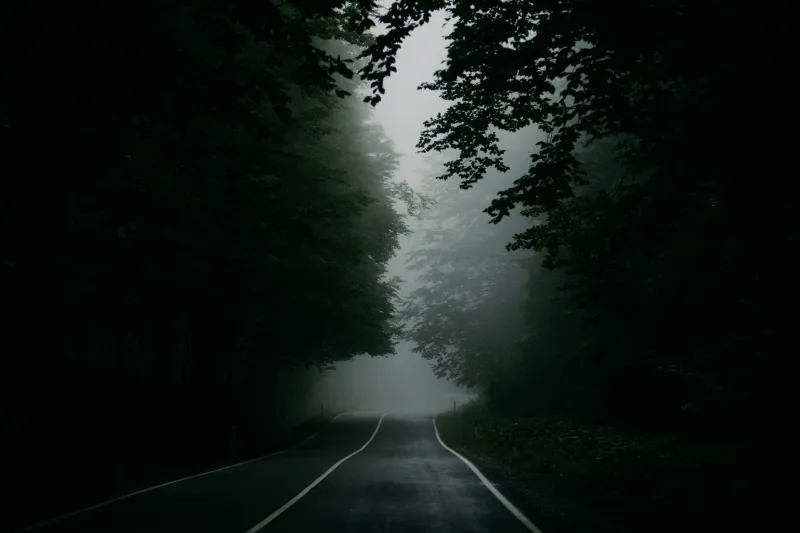
The fog was never the scary part. The scary part was knowing that if you died out there, in the dark, thirty minutes from the last save — you'd have to walk back through all of it again. Bring that back, and horror gaming gets its teeth returned.